According to TotalEnergies' 2025 Social Report, while the project’s core mission is to produce 190,000 barrels of oil per day, its design incorporates a range of climate interventions aimed at reducing emissions, protecting biodiversity, and enhancing community resilience.
At the heart of this approach is a determination to cut emissions from the start. Unlike many oilfields that still rely on the decades-old practice of burning off unwanted gas, Tilenga is designed to operate with zero routine flaring.
Every molecule of gas released during production will be captured and put to use, powering operations on site, generating electricity, and even providing a cleaner alternative to charcoal and firewood in the form of Liquefied Petroleum Gas. For a country where biomass remains the dominant energy source, this offers a chance to tackle both deforestation and household air pollution.
The project is also testing a hybrid model of energy supply. Early operations will be powered through gas-to-power systems, with solar installations supporting critical infrastructure such as pipelines. Over time, Tilenga will plug into Uganda’s hydroelectric grid, which is already among the world’s cleanest, with more than 90 per cent of electricity coming from renewable sources.
This gradual transition reflects an effort to align the project with Uganda’s energy future rather than anchoring it in fossil-heavy dependency.
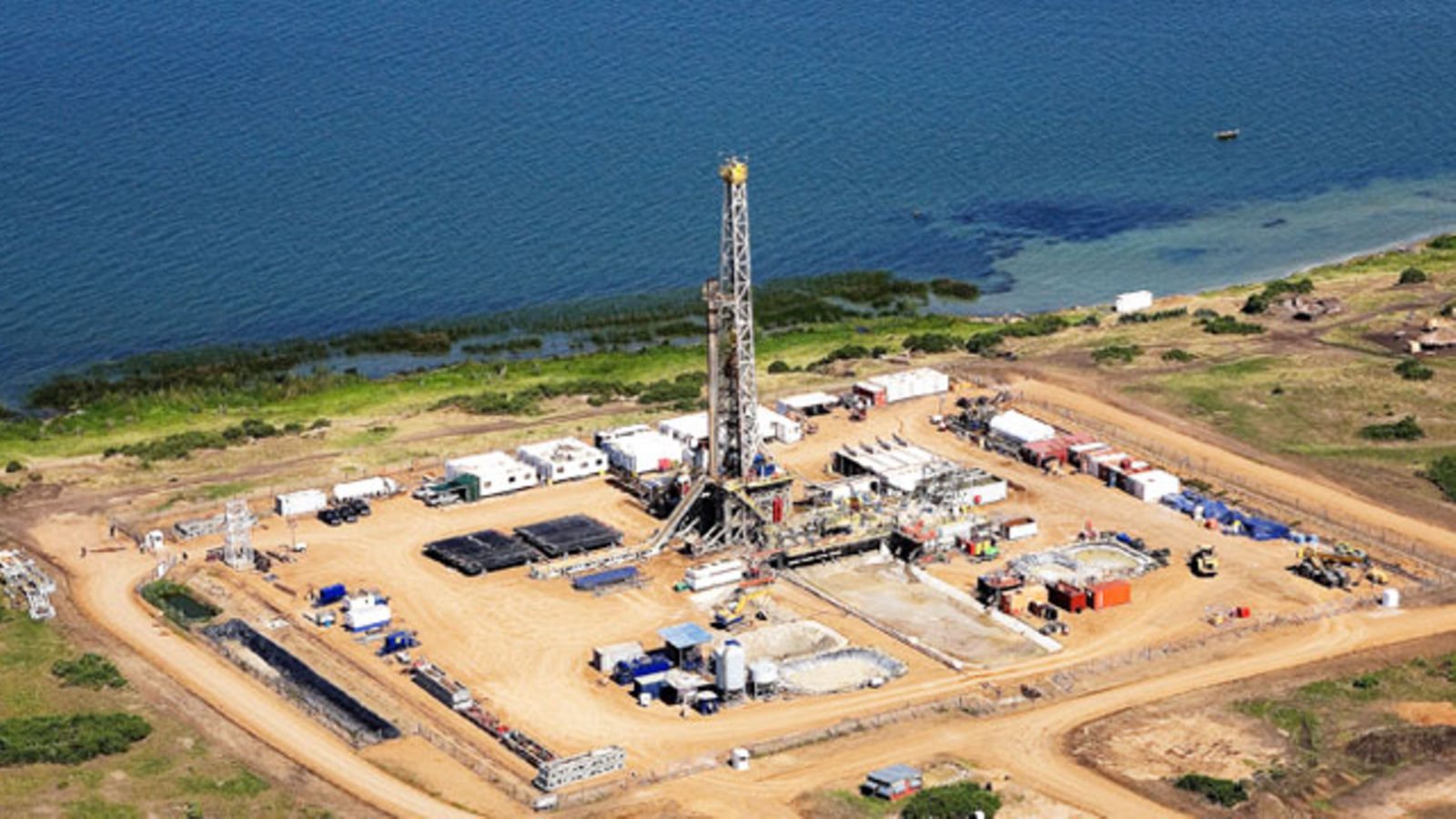
On the ground, the physical footprint of oil drilling is also being rethought. Instead of spreading hundreds of well sites across the landscape, TotalEnergies is drilling 420 wells from just 29 clustered pads. Advanced rigs equipped with automation can move between well sites without dismantling, reducing noise, disruption, and the need to clear additional land. It’s a strategy designed to protect ecosystems in an area renowned for its biodiversity.
Water and soil protection form another cornerstone of the project. All water extracted during production will be treated and reinjected underground to maintain reservoir pressure. By closing the loop, the project avoids the discharge of contaminated water onto the surface, a common source of pollution in oil regions. Complementary measures such as sediment traps, check dams, and vegetation buffers aim to reduce erosion and safeguard nearby communities.
To track the environmental footprint in real time, Tilenga is turning to technology. Sensors and data systems are being deployed to monitor biodiversity and ecological changes, with the potential for AI-driven analysis to improve responsiveness. This represents a shift away from static environmental assessments toward dynamic monitoring that can catch risks as they emerge.
Yet the climate agenda extends beyond the industrial site. Through the Grow a Tree Everywhere programme, TotalEnergies has planted more than 100,000 trees since 2022, with tens of thousands more seedlings distributed in 2024 alone. Indigenous and fruit tree varieties have been prioritised, offering not only carbon sequestration but also food, timber alternatives, and improved soil resilience. By engaging women-headed households and youth groups, the initiative ties environmental restoration to livelihoods, ensuring that reforestation is not just about carbon offsets but also about community well-being.
Access to clean energy is another area where the project is making a difference. In collaboration with NGOs, TotalEnergies has distributed solar panels and lamps to households, schools, and health centres in Buliisa and Nwoya districts. Families that once relied on kerosene lamps now enjoy cleaner light, schoolchildren can study after dark, and local clinics have gained more reliable lighting. The benefits ripple through education, health, and household economies.
Equally important are the awareness campaigns that connect the community to global climate action. Employees and residents have joined in the annual Run4Climate marathon alongside Uganda’s Ministry of Water and Environment, taken part in local clean-up drives, and engaged in school-based climate education. These initiatives place climate change in the everyday lives of people in the oil regions, making it a shared responsibility rather than a distant policy debate.
The Tilenga Project cannot erase the contradictions of building a major oil development in the midst of a climate crisis. Critics rightly question whether such investments lock countries into long-term fossil fuel dependency. Yet, what Tilenga demonstrates is that even within oil, there is space for innovation: zero flaring, renewable integration, biodiversity monitoring, and large-scale reforestation. If projects like this become the norm rather than the exception, they could reshape how fossil fuels are managed in Africa and beyond.
Uganda’s energy story is still being written, but in Tilenga, it is clear that the old rules of oil development are being challenged. The question that remains is whether this new model will be enough to balance the competing demands of economic growth, community resilience, and the planet’s climate limits.
Some of the key climate change highlights from TotalEnergies' 2025 Social Report:
-
100,586 trees planted under GATE I (2022).
-
80,200 seedlings were distributed in 2024 under GATE II.
-
3,000 individuals benefited from GATE III in 2025.
-
The company and staff took part in Run4Climate and local clean-up drives to raise climate awareness.