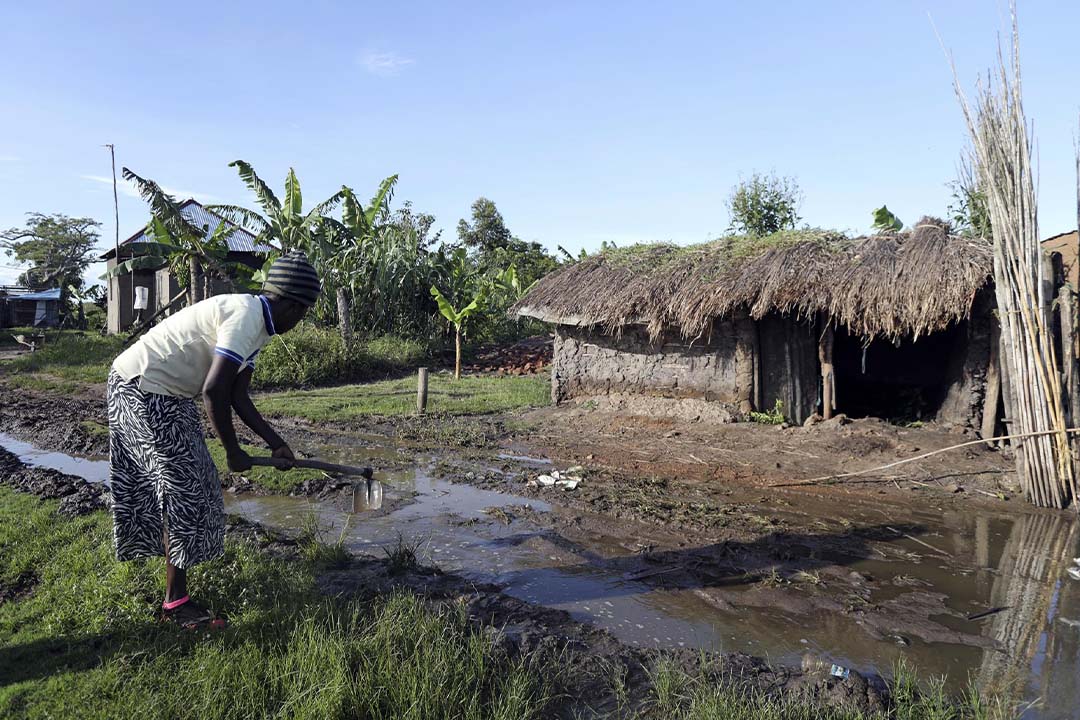

My biggest worry about this presidential race is not so much that it is a men-only showdown, but the key focus areas of the nominated candidates’ manifestos. I have listened to all the nomination speeches made by the eight candidates, followed them to their first rallies, and I have yet to hear a single candidate address climate change.
I have heard threats to finally combat corruption, put money in our pockets, plans to abolish Skwahili teaching in schools and replace it with French instead, protecting the gains, improving social services, securing our future and protesting dictatorship. Is it too late, however, to point out the obvious flaw in these abstract plans? There cannot be a vibrant economy, a functional healthcare system, a booming agricultural or tourism sector, without deliberate investment in targeted climate action.
I dare say that even the security that we so much espouse as the biggest achievement of the post-1986 era fades away in the face of food insecurity. It is foolhardy to think that you can have a thriving banana plantation when your neighbour has gone two days without a meal. For a country that is ranked 14th among the most vulnerable to climate change, we need a leader who appreciates the challenge at hand, not a student of Donald Trump who thinks that climate change is the ‘biggest con job’ since Charles Ponzi’s pyramid scheme in the early 90s.
Earlier this month, the World Bank launched its Country Climate and Development Report for Uganda, warning that climate shocks could reduce Uganda's annual GDP growth by 3.1% by 2050, displace more than 12 million Ugandans from their homes, and send millions more back into poverty. If you haven’t seen any signs of climate change where you live, it might be time to honour that appointment with the optician.
According to the Auditor General’s Report, the country lost almost Shs400billion last year due to floods, drought and other climate disasters. If you factor in how much money Ugandans spend treating non-communicable diseases emanating from breathing bad air, drinking polluted water and eating inorganic foods, compound that cost with the fast-disappearing forest cover and wetlands, I can argue that we lose more money to climate change than we are losing to corruption.
Even worse, the country’s investment to curb such harsh climate changes in the national budget is negligible in comparison to what is spent on several redundant sectors. We need a leader who will prioritise climate action, not populist policies, a leader who will fight for the restoration of our natural resources, not a warmonger invested in battles far beyond our borders.
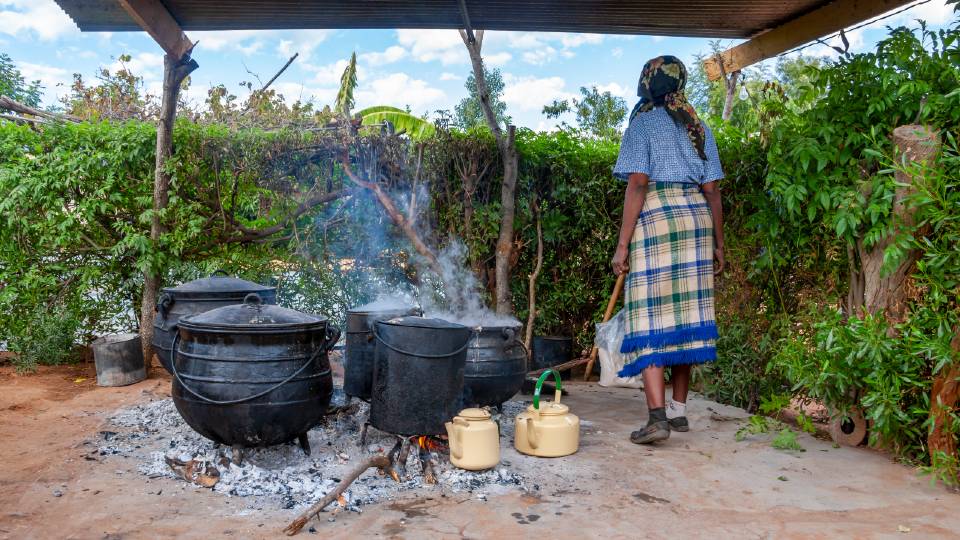
It is prudent that we elect someone who can connect human capital development to a child in Kazo having access to a solar lamp to read at night not kerosene lamps (tadoba), to a small-holder farmer in Katakwi getting bank loan; tilling acres of land manually only for all their seeds to be fried in the ground, to a mother ingesting clouds of smoke in the kitchen cooking with her children yearning for clean cooking alternatives.
My plea is that we take a keen interest in the manifestos of all these candidates and flesh out their climate action plans, if any. Desist from the temptation of casting your vote based on empty sloganeering, promises or short-term heights. This election should not be another missed opportunity like the others before it.